
You know that quiet moment just before sunrise, when the world feels like it’s holding its breath? Now imagine stepping into cars at that exact moment—not just as machines, but as something that understands you. That’s the kind of future 2027 is shaping for us. It’s no longer just about transportation; it’s about experience, connection, and intelligence blended seamlessly into everyday life.
Do you know what’s truly fascinating? The way innovation is no longer cold or mechanical—it’s becoming deeply human.
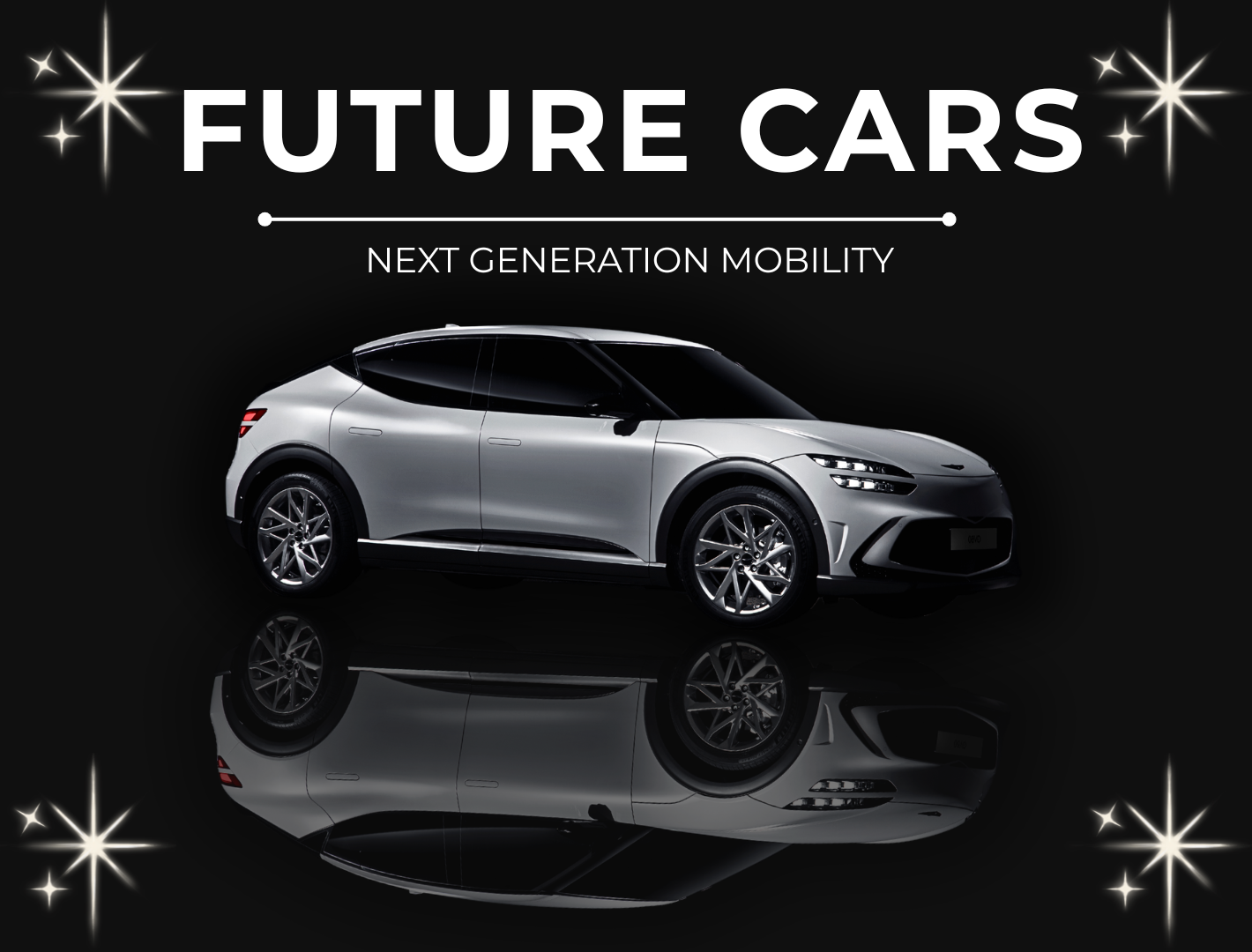
By 2027, the evolution of cars is expected to accelerate beyond what we once imagined. Companies like Tesla, Toyota, and BMW are not just building cars—they are crafting ecosystems. Real-time data suggests that over 60% of new vehicles globally could feature advanced autonomous capabilities, transforming the way we interact with roads and each other.
Picture this: you sit inside your vehicle, and it recognizes your mood. The lighting adjusts. Your favorite playlist begins softly. The route adapts—not just to traffic, but to your preferences. Maybe today you want the fastest route. Or maybe, just maybe, you want the scenic one.
This isn’t science fiction anymore.
One of the most transformative aspects of 2027 will be autonomy. Vehicles will no longer simply assist drivers; they will think, analyze, and decide. Thanks to advancements in AI and machine learning, systems can process millions of data points per second. Traffic patterns, weather conditions, pedestrian movement—all of it will be interpreted in real time.
But here’s something to think about: will we miss driving?
For some, the steering wheels of the cars represents freedom. For others, it’s a responsibility they’re ready to hand over. The emotional shift here is significant. Letting go of control isn’t just technological—it’s psychological. Yet, as safety improves and accident rates drop, trust will grow. And with that trust comes a new kind of freedom—the freedom to simply exist in the moment.
Another powerful trend shaping 2027 is sustainability. Electric mobility is no longer optional—it’s essential. Governments worldwide are tightening emission regulations, and consumers are becoming more environmentally conscious. According to current projections, electric vehicles could account for nearly half of all new sales by 2027.
And it’s not just about reducing emissions. It’s about redefining responsibility.
When you choose a cleaner vehicle, you’re not just making a purchase—you’re making a statement. You’re saying that the future matters. That the air we breathe matters. That the world we leave behind matters.
Do you know what makes this even more exciting? Charging infrastructure is evolving just as rapidly. Ultra-fast charging stations are expected to become widely accessible, reducing charging time to mere minutes. Imagine stopping for a coffee and returning to a fully charged vehicle. That’s convenience meeting innovation.
Now let’s talk about connectivity.
In 2027, vehicles will be more connected than ever before. Think of them as smartphones on wheels—but far more intelligent. They’ll communicate with each other, with traffic systems, and even with smart cities. This network, often referred to as V2X (Vehicle-to-Everything), will help reduce congestion, prevent accidents, and optimize travel efficiency.
But there’s a deeper layer to this. Connection isn’t just digital—it’s emotional.
Imagine your vehicle reminding you of an important meeting, suggesting a relaxation route after a stressful day, or even syncing with your home to adjust lighting and temperature before you arrive. It becomes a companion, not just a tool.
And then there’s design.
The aesthetics of future vehicles are shifting dramatically. Interiors are becoming more like living spaces—minimalist, spacious, and intuitive. Screens are replacing buttons, and voice commands are replacing manual controls. It’s about simplicity, elegance, and comfort.
Yet, amid all this change, one question remains:
Will we lose the soul of driving?
The answer isn’t straightforward. For enthusiasts, performance and control will still exist. Brands are working to preserve the thrill through hybrid modes—where you can switch between autonomous and manual driving. It’s about balance. Technology doesn’t erase emotion; it enhances it.
And here’s something you might not have considered—ownership itself is evolving.
By 2027, mobility-as-a-service could become more mainstream. Instead of owning a vehicle, many people might subscribe to mobility platforms. Need a compact ride for the city? Done. Planning a road trip? Switch to an SUV. It’s flexibility like never before.
But let’s bring it back to you.
Imagine reading this in 2027. You step outside, and your vehicle is already waiting. It knows your schedule. It knows your preferences. It knows you.
Would that feel exciting? Or a little unsettling?
The future of cars is not just about technology—it’s about trust, adaptation, and emotion. It’s about how we redefine our relationship with machines. As boundaries blur between human and artificial intelligence, one thing becomes clear:
The journey is no longer just about reaching a destination. It’s about how you feel along the way.
And maybe, just maybe, that’s what makes this future so extraordinary.