
There’s a sound every car owner fears.
A rough engine.
A strange vibration.
A feeling that something is no longer smooth.
At first, most people ignore it.
Life gets busy.
Schedules become hectic.
And maintenance often gets delayed because “it still seems fine.”
But do you know that one of the smallest maintenance decisions can quietly decide the lifespan of your engine? That decision is changing your engine oil at the right time.
And honestly, many drivers underestimate how important this simple habit really is.
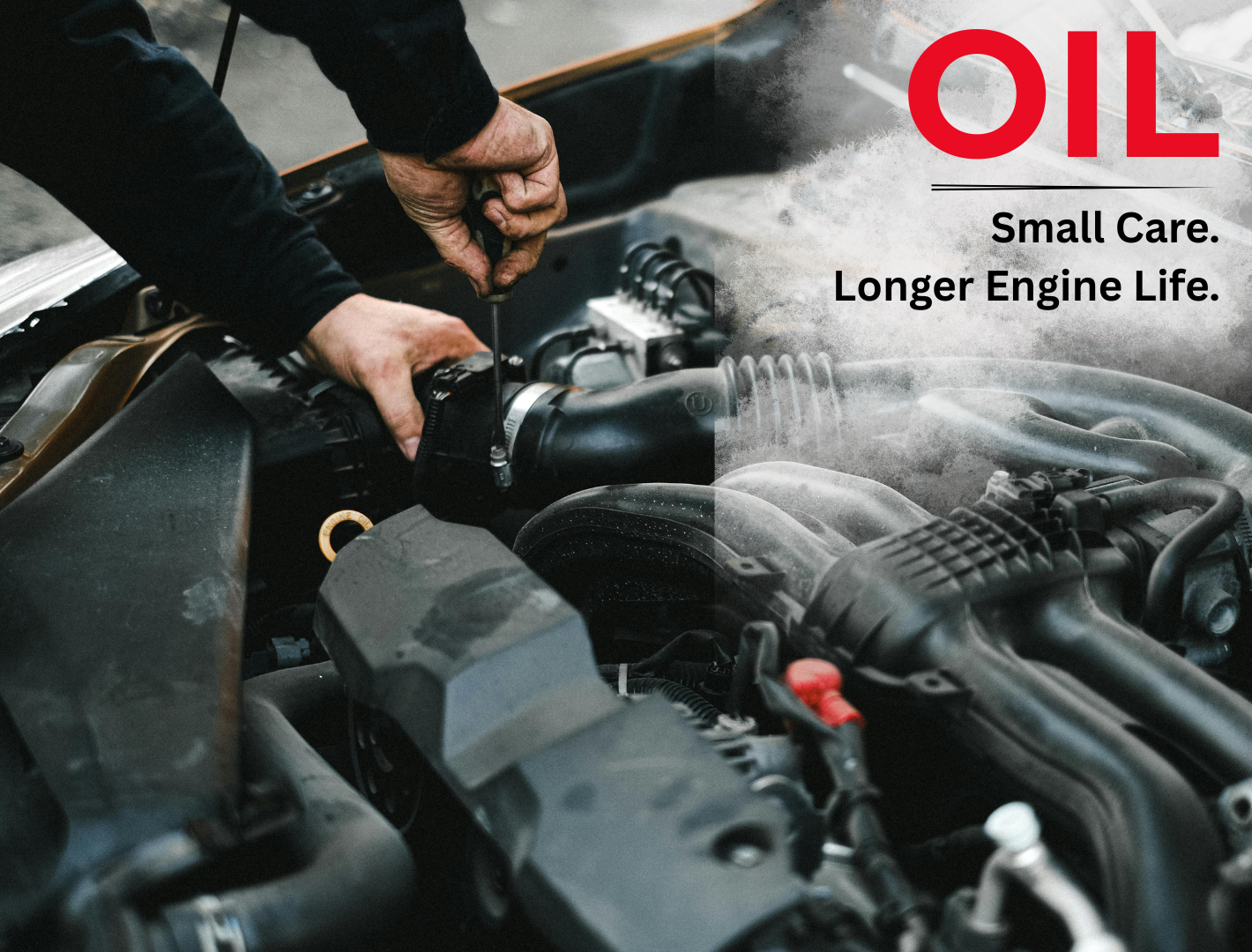
Why Engine Oil Matters More Than People Think
Imagine running a marathon every single day without drinking water.
That’s exactly what an engine experiences without proper lubrication.
Inside your vehicle, hundreds of metal components move rapidly under extreme heat and pressure. Engine oil protects these components by reducing friction, controlling temperature, and preventing wear.
Without it, the engine slowly starts damaging itself from the inside.
And the dangerous part?
This damage often happens quietly before drivers even notice symptoms.
Do you know that delayed maintenance is one of the leading causes of long-term engine problems worldwide?
That’s why understanding proper replacement timing matters so much.
So, When Should You Actually Change It?
This is where many people get confused.
Older advice often suggested changing engine oil every 3,000–5,000 kilometers. But modern vehicles and synthetic lubricants have improved significantly.
Today, many manufacturers recommend intervals between:
- 7,000 to 10,000 kilometers for regular driving
- Sometimes even longer for fully synthetic lubricants
But here’s something important—
Indian driving conditions are very different from ideal testing environments.
Heavy traffic.
Dusty roads.
Extreme summer heat.
Frequent stop-and-go driving.
All these factors increase engine stress.
So even if manufacturers mention longer intervals, real-world conditions may require earlier servicing.
The Emotional Cost of Ignoring Maintenance
Let’s be honest.
Most people don’t think about engine lubrication until a warning light appears or repair costs become painful. But by then, damage may already be happening internally.
You know that sinking feeling when a mechanic suddenly mentions an expensive engine repair? Many of those situations begin with neglected maintenance.
And the frustrating part is that proper care could have prevented them entirely. Because replacing engine oil is inexpensive compared to repairing engine components.
Signs Your Vehicle Needs an Oil Change
Sometimes your vehicle starts giving silent warnings before serious problems appear.
Here are some common signs:
- Engine becoming louder than usual
- Rough or vibrating performance
- Dark, dirty lubricant color
- Burning smell from the engine area
- Reduced mileage
- Dashboard warning light
Do you know that fresh lubrication actually helps engines run smoother and quieter almost immediately after servicing?
Many drivers genuinely feel the difference while driving home after maintenance.
The engine feels lighter.
Acceleration feels smoother.
The vehicle feels healthier.
Synthetic vs Conventional Oil
Now let’s talk about something many drivers hear but don’t fully understand. Synthetic lubricants are designed to handle heat, stress, and long driving intervals more effectively than conventional versions.
They usually provide:
- Better engine protection
- Improved performance in extreme temperatures
- Cleaner internal engine condition
- Longer replacement intervals
And honestly, modern engines increasingly perform better with synthetic options. Especially in India’s hot climate and urban traffic conditions. However, older vehicles or budget-conscious owners may still prefer conventional options depending on usage patterns.
The important thing is choosing the correct specification recommended by the manufacturer.
Driving Habits Matter More Than You Think
Here’s something interesting. Two people can own the exact same vehicle and still require different service intervals.
Why? Because driving habits change everything.
If you:
- Drive mostly in city traffic
- Take short daily trips
- Frequently sit in jams
- Drive aggressively
- Travel in dusty environments
your engine works much harder.
On the other hand, smooth highway driving usually creates less stress on internal components. That’s why blindly following kilometer numbers alone is not always enough.
Listening to your vehicle matters too.
Modern Cars Are Smarter Today
Technology has improved dramatically.
Many modern vehicles now include intelligent maintenance reminder systems that monitor driving conditions and estimate service timing more accurately.
Some systems even analyze:
- Driving behavior
- Temperature conditions
- Engine load
- Idle time
This helps owners maintain engines more efficiently. And honestly, that’s a huge advantage for people who forget regular service schedules.
The Bigger Picture: It’s About Longevity
People often spend lakhs buying a vehicle but hesitate on basic maintenance.
And that’s surprising because small preventive care decisions directly affect:
- Engine lifespan
- Mileage
- Performance
- Resale value
- Reliability
Do you know that properly maintained engines can easily last several lakh kilometers longer than neglected ones?
That difference matters tremendously over years of ownership.
The Emotional Connection With Cars
For many people, vehicles are more than machines.
They carry memories.
Family trips.
Late-night drives.
Office journeys.
Celebrations.
Important life moments.
That’s why taking care of a vehicle feels strangely emotional sometimes. You protect what matters to you.
And regular maintenance is one of the simplest ways to keep those memories moving smoothly for years.
Final Thoughts
So, when should you change engine oil?
The honest answer is: Before neglect turns into damage.
Follow manufacturer guidelines, but also pay attention to your driving conditions, traffic exposure, climate, and engine behavior. Because your vehicle often tells you when it needs care—you simply need to listen.
And sometimes, the smallest maintenance habit becomes the biggest reason your engine stays healthy for years.