
A Story of Survival, Innovation, and the Future of Mobility
A Turning Point for the Auto Industry
Take a moment and imagine the roads ten years from now. The air feels cleaner, the noise is softer, and vehicles move almost silently. It sounds like a dream, doesn’t it? But here’s a question for you—is this dream becoming a necessity?
The automotive industry today is standing at one of the most critical turning points in its history. For decades, competition revolved around speed, design, price, and performance. But now, the rules have changed. The focus has shifted toward sustainability, responsibility, and long-term impact.
“Net Zero” is no longer just an environmental buzzword. It is becoming a strategic priority, a business goal, and perhaps the biggest competitive advantage for automakers in this decade.
Understanding Net Zero: Beyond Just Electric Cars
Do you know that Net Zero is not just about producing electric vehicles? Many people assume that switching to EVs alone is enough, but the reality is far more complex.
Net Zero means reducing greenhouse gas emissions across the entire lifecycle of a vehicle—from sourcing raw materials and manufacturing to driving and recycling. Every stage matters. The energy used in factories, the materials chosen, and even how vehicles are disposed of all contribute to the overall carbon footprint.
In simple terms, it is about creating a balance—emitting as little carbon as possible and offsetting what cannot be eliminated. This requires a complete transformation of how the automotive industry operates.
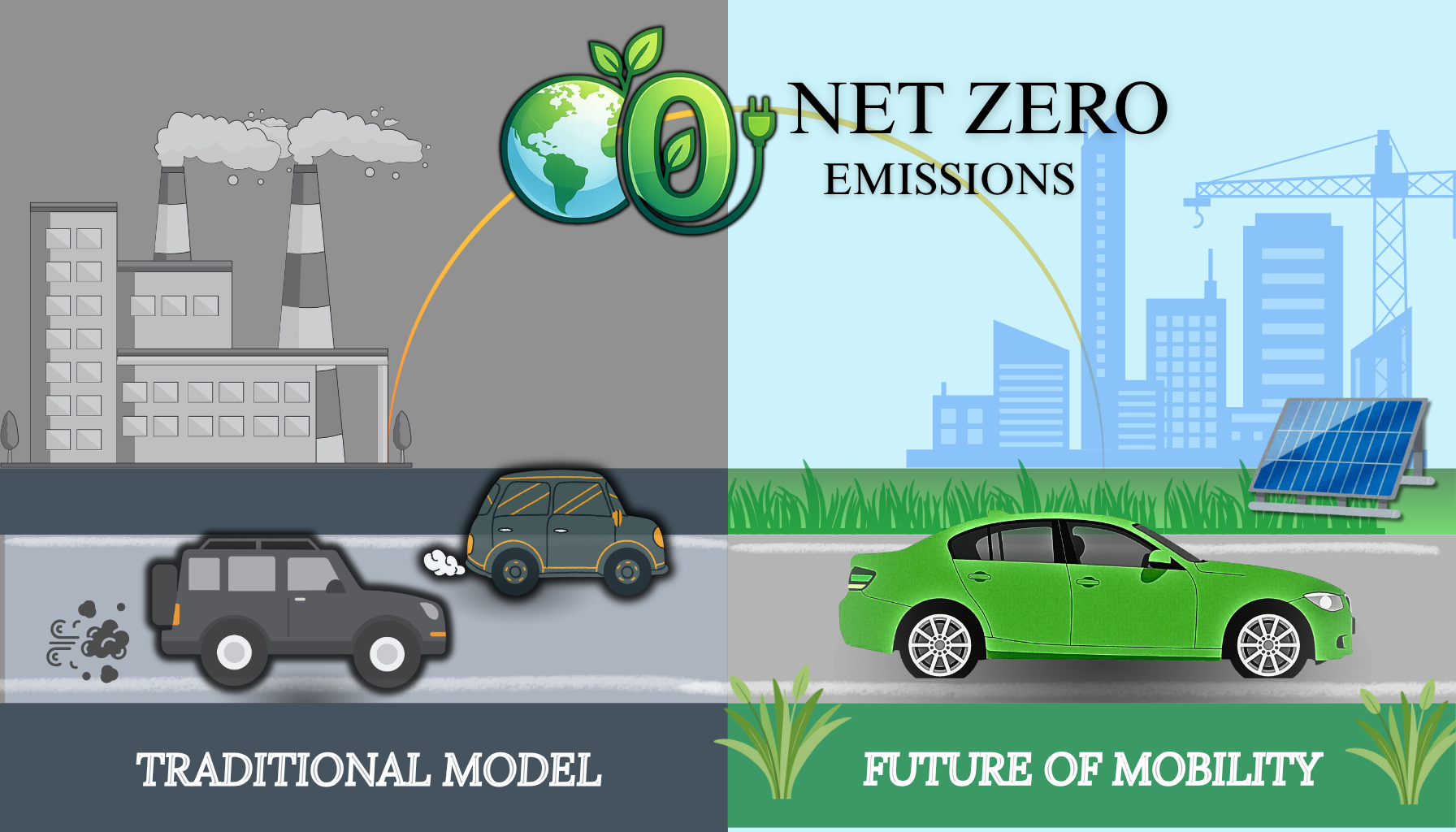
Why Net Zero Has Become Urgent
Here’s something important to think about. The automotive sector is responsible for a significant portion of global carbon emissions. Every vehicle on the road contributes to a larger environmental challenge.
Governments across the world are responding with strict policies and ambitious targets. Many countries are pushing for drastic emission reductions by 2035, while global goals aim for Net Zero emissions by 2050.
This creates a sense of urgency for automakers. They are no longer transitioning because they want to—they are transitioning because they must. Those who fail to adapt risk losing market access, facing penalties, and falling behind in an increasingly competitive landscape.
The Rise of Electric Vehicles and Clean Technology
Now let me ask you something—have you noticed how often you hear about electric vehicles today?
That’s because EVs are at the heart of the Net Zero movement. They represent a cleaner, more sustainable alternative to traditional petrol and diesel cars. Global EV adoption is accelerating rapidly, with millions of electric cars being sold every year.
But the shift toward EVs is not just about reducing emissions. It is about redefining the future of mobility. Automakers are investing heavily in battery technology, charging infrastructure, and renewable energy solutions.
For consumers, EVs offer not only environmental benefits but also lower running costs and a sense of contributing to a better future. This combination of logic and emotion is driving demand like never before.
Net Zero as a Competitive Advantage
Let’s look at this from a business perspective. Competition in the auto industry has always been intense, but Net Zero is creating a new kind of battlefield. First, there is brand perception. Today’s consumers are more conscious than ever. They prefer brands that align with their values, especially when it comes to sustainability. A company that commits to Net Zero builds trust, credibility, and long-term loyalty.
Second, there is regulatory advantage. Governments are offering incentives, subsidies, and support to companies that invest in clean technologies. Early adopters gain a significant edge, while late movers struggle to catch up.
Third, there is innovation. Sustainability drives creativity. Companies are exploring new materials, improving energy efficiency, and developing advanced technologies. This not only reduces environmental impact but also enhances overall performance and profitability. In this new era, being sustainable is not just responsible—it is strategic.
The Challenges Along the Way
But let’s be honest for a moment. The journey to Net Zero is not easy.
Automakers face several challenges, including high production costs, limited battery resources, and the need for large-scale infrastructure development. Charging networks are still growing, and affordability remains a concern for many consumers.
There is also uncertainty in policies and market demand. Some companies are cautiously balancing their investments between traditional and electric vehicles, trying to navigate a complex and evolving landscape. So while Net Zero offers opportunities, it also comes with risks. The real challenge lies in managing this transition effectively.
The Human Side of the Shift
Now, let’s bring this conversation closer to home.
Imagine you are planning to buy a car. You have two options—a conventional petrol vehicle or an electric one. The petrol car is cheaper upfront, but the EV promises lower running costs and a cleaner future.
What would you choose?
For many people, the decision is no longer purely financial. It is emotional. It is about being responsible, future-ready, and part of a larger change.
This emotional connection is powerful. It influences decisions, shapes preferences, and builds lasting relationships between consumers and brands. Automakers who understand this human side of the transition will have a significant advantage.
Who Will Lead?
The future of the automotive industry will not be determined solely by speed or innovation. It will be defined by adaptability.
Companies that invest early in sustainable technologies, build efficient supply chains, and commit to Net Zero goals will position themselves as leaders. They will not only meet regulatory requirements but also capture the trust and loyalty of a new generation of consumers.
On the other hand, those who hesitate may find themselves struggling to keep up in a rapidly changing environment. The gap between leaders and laggards is likely to widen in the coming years.
More Than Just a Business Strategy
So, is Net Zero the new competitive advantage for automakers?
The answer is clear—it is not just an advantage; it is becoming a necessity.
Net Zero represents more than a shift in technology. It represents a shift in mindset. It is about thinking beyond profits and considering long-term impact. It is about building a future where mobility and sustainability go hand in hand.
At its core, this transformation is deeply human. It is about cleaner air for our cities, better health for our communities, and a sustainable planet for future generations. And perhaps that is what makes Net Zero so powerful. It is not just about winning in the market. It is about doing what truly matters.
As the world moves forward, one thing is certain—those who embrace this change will not only survive but thrive. And in doing so, they will shape the future of mobility for years to come. For more blogs…