
There’s something changing in the way people look at cars today.
A few years ago, buying a vehicle felt like a celebration. Families visited showrooms with excitement, compared colours, clicked pictures, and imagined long road trips ahead. But now, many buyers pause before making a decision. They calculate fuel prices, loan interest rates, maintenance costs, and monthly budgets more carefully than ever before.
Why?
Because inflation silently changes everything.
And the automobile sector—both in India and globally—is feeling its pressure every single day.
Understanding Inflation Beyond Rising Prices
Do you know that inflation is not just about expensive groceries or higher fuel bills?
It affects steel, aluminium, semiconductors, batteries, transportation, shipping, insurance, and even vehicle financing. When the cost of manufacturing rises, companies eventually increase vehicle prices—and customers immediately feel the impact.
According to recent reports from and India’s retail inflation touched 3.48% in April 2026, while wholesale inflation surged to 8.3%, mainly due to rising fuel and energy costs connected to global geopolitical tensions.
And when fuel and production costs rise together, the pressure on the industry becomes unavoidable.
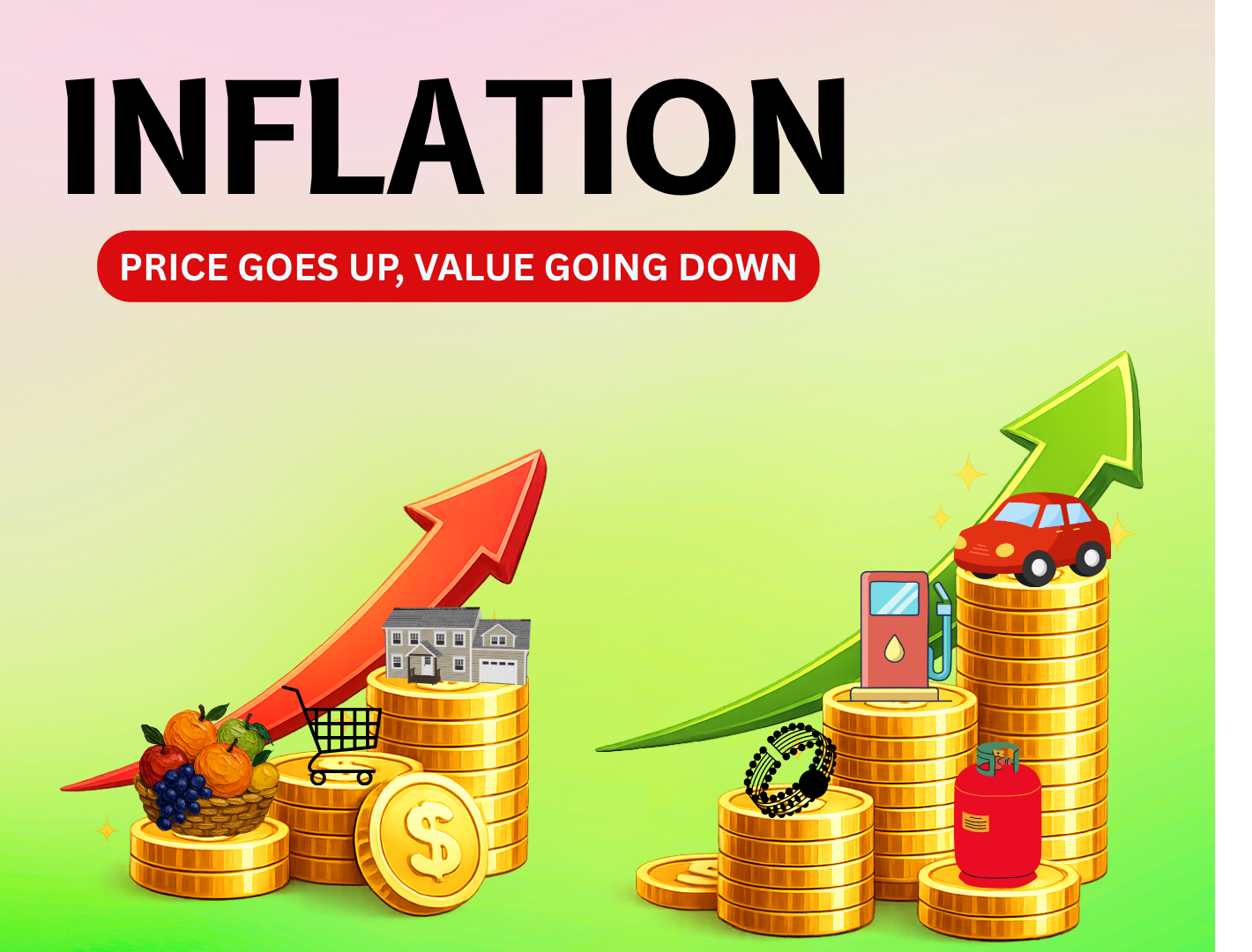
The Emotional Shift in Car Buying Because of Inflation
Think about this carefully.
Earlier, buyers asked:
- “Which SUV looks premium?”
- “Which car has better features?”
Today, people ask:
- “Can I comfortably afford this?”
- “What if fuel prices rise again?”
- “Should I delay this purchase?”
That emotional hesitation is one of the biggest effects inflation creates.
You know that feeling when you want something deeply, but future expenses keep holding your thoughts back? That uncertainty is becoming increasingly common across global markets.
Comparing the Last Inflation Crisis With Today
The world has already experienced a major inflation wave during the post-pandemic recovery phase around 2021–2023.
At that time:
- Supply chains collapsed
- Semiconductor shortages disrupted production
- Shipping costs exploded globally
- Fuel prices surged after geopolitical conflicts
The result?
Vehicle waiting periods stretched for months. Prices increased repeatedly. Buyers had fewer options.
According to inflation reports covered by Reuters Inflation Analysis, global energy instability significantly affected production costs and consumer inflation during that phase.
Now compare that with the current situation in 2026.
Today’s inflation pressure is different:
- Energy markets remain unstable
- Crude oil prices are rising again
- Trade tensions are affecting manufacturing costs
- Interest rates remain sensitive globally
But there’s one major difference.
Industries are now more prepared.
Companies have diversified supply chains, improved digital operations, and invested heavily in local manufacturing after learning painful lessons from the previous crisis.
Still, the emotional pressure on consumers remains very real.
Impact on the Indian Market
India’s mobility sector is deeply connected to middle-class aspirations.
According to industry data covered by Reuters Auto Sales Report, India witnessed strong retail vehicle sales growth in early 2026 due to earlier tax relief measures and improving demand. Passenger vehicle sales rose over 26% year-on-year during one phase of the recovery.
But inflation continues to create challenges.
Entry-level vehicle buyers are becoming cautious because:
- Car prices are increasing
- Fuel expenses remain unpredictable
- Loan costs affect affordability
Even major companies are acknowledging pressure.
Reuters Tata Motors Report recently reported that Tata Motors warned about rising commodity costs affecting margins, while companies may increase vehicle prices again if inflationary pressure continues.
Do you know what this really means emotionally?
People are not losing interest in cars.
They are becoming more careful about financial security.
And that changes purchasing behavior dramatically.
Global Market Pressure Is Growing Again
The global market is facing similar stress.
According to Reuters Global Auto Report, rising crude oil prices and geopolitical instability are again threatening manufacturing costs and supply chains worldwide.
In the United States and Europe:
- EV battery materials remain expensive
- Insurance costs are increasing
- Financing rates are affecting affordability
- Production costs continue rising
Meanwhile, companies are trying to balance innovation with affordability.
That’s not easy.
Because modern buyers expect advanced technology, safety, and comfort—but inflation makes delivering all of that increasingly expensive.
Measures Taken During the Last Crisis
During the previous inflation period, governments and industries introduced several important measures.
India and other economies responded by:
- Supporting local manufacturing
- Offering tax reductions and incentives
- Promoting EV adoption
- Improving semiconductor production
- Encouraging supply-chain diversification
- Providing flexible financing support
Central banks also adjusted interest rate strategies to stabilize inflation gradually.
These measures helped industries recover, although the process took time.
And perhaps the biggest lesson learned was this:
Overdependence on global supply chains creates vulnerability.
What Should Be Done This Time?
The current situation requires smarter and faster action.
1. Strengthening Domestic Manufacturing
Reducing dependence on imported components can protect companies from global disruptions.
2. Stable Energy Policies
Fuel and electricity directly influence manufacturing and transportation costs. Long-term energy planning is critical.
3. Better Financing Options
Flexible loan structures and lower financing pressure can rebuild customer confidence.
4. Smarter Supply Chains
Regional suppliers, digital tracking, and diversified sourcing can reduce future risks.
5. Supporting EV Infrastructure
Electric mobility can reduce long-term dependence on volatile fuel markets.
Do you know that industries which adapt quickly during inflation often emerge stronger afterward?
Flexibility is becoming more valuable than scale alone.
The Human Side of Inflation
Sometimes inflation is discussed only through statistics and percentages.
But behind every number is a real person.
A young buyer delaying their first car purchase.
A family choosing a smaller vehicle than they originally planned.
A factory worker worrying about production slowdowns.
A business owner managing rising operational costs.
Inflation affects emotions before it affects charts.
And perhaps that’s why this industry feels the pressure so deeply—it is connected directly to human dreams.
The Road Ahead
Despite all challenges, optimism still exists.
India remains one of the fastest-growing mobility markets globally. According to major manufacturers continue expanding investments because long-term demand in India remains strong.
People still dream of owning vehicles.
They still want freedom, comfort, and mobility.
The difference is—they now think more carefully before spending.
And maybe that caution will shape a smarter future for both industries and consumers.
Final Thoughts
Inflation changes the speed of the market, but it doesn’t stop the journey.
The Indian and global automobile sectors have already survived pandemics, supply-chain disruptions, fuel shocks, and economic uncertainty.
And they will continue evolving.
But perhaps the biggest lesson from both past and present situations is this:
Industries that focus only on profits struggle during inflation.
Industries that understand people survive it.
Because at the end of the day, the automobile world is not only about machines.
It’s about dreams on wheels.