
Smart Driving Habits That Reduce Fuel Consumption
Driving has become an unavoidable part of daily life. Whether it is commuting to work, dropping children at school, or going on weekend road trips, most people spend a significant amount of time behind the wheel. But with rising petrol and diesel prices, one concern continues to grow for almost every driver — how can you save more fuel while driving?
The truth is, many people unknowingly waste fuel every single day through simple driving habits. Aggressive acceleration, poor maintenance, unnecessary braking, and even extra weight inside the car can slowly increase consumption without drivers realizing it.
Do you know that small changes in driving style can significantly improve mileage over time?
You do not always need an expensive hybrid or electric vehicle to reduce costs. Sometimes, smarter driving itself becomes the best solution.
And honestly, once you start noticing how much money careful driving can save, every smooth drive feels more satisfying.
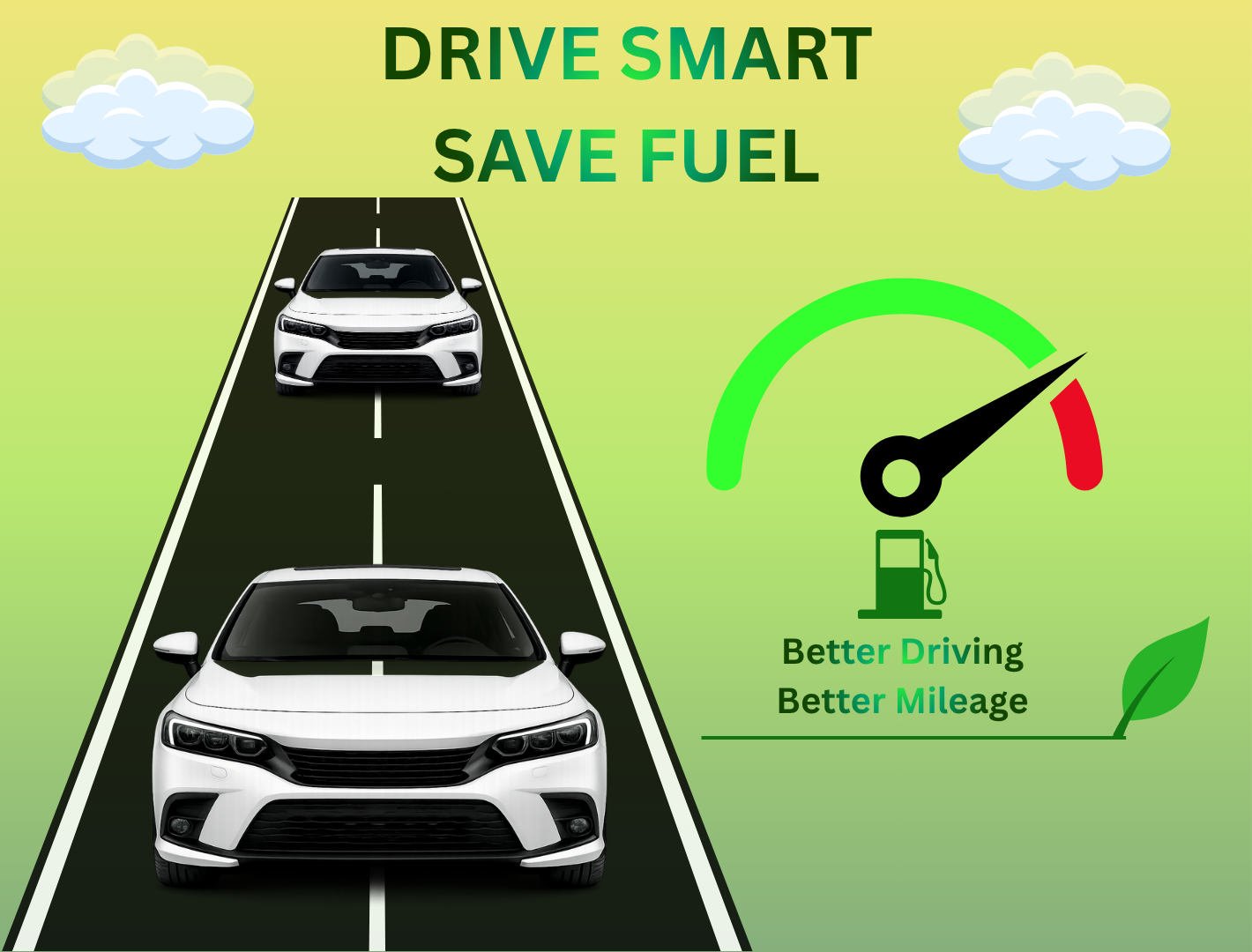
Avoid Sudden Acceleration
One of the fastest ways to waste fuel is aggressive acceleration.
Many drivers press the accelerator too hard while starting or overtaking, believing it saves time. In reality, rapid acceleration forces the engine to work harder and burn more energy unnecessarily.
Smooth and gradual acceleration not only improves efficiency but also reduces wear on the engine and tires.
Professional drivers often focus on consistency rather than speed bursts because maintaining steady momentum helps reduce overall consumption.
Sometimes, calmer driving is actually smarter driving.
Maintain Proper Tire Pressure
This is one of the most ignored yet most effective ways to improve fuel efficiency.
Underinflated tires create extra rolling resistance, forcing the engine to use more power. Even slightly low tire pressure can negatively affect mileage over time.
Properly inflated tires improve vehicle performance, safety, and efficiency. Checking tire pressure regularly takes only a few minutes, but the long-term savings can be surprisingly noticeable. And beyond savings, properly maintained tires also improve road safety.
Reduce Unnecessary Weight
Many people unknowingly turn their car into a storage space.
Extra bags, unused tools, sports equipment, and random items left in the trunk increase vehicle weight. More weight means the engine must work harder, which increases fuel usage. Removing unnecessary load may seem like a small step, but over long distances, it genuinely helps improve efficiency.
Think about it this way — every kilogram your car carries requires extra energy to move.
Use Air Conditioning Wisely
During hot summers, especially in countries like India, air conditioning becomes almost essential. But excessive AC usage can slightly increase fuel consumption.
This does not mean you should stop using it completely. The smarter approach is balance.
At lower speeds, opening windows occasionally may help reduce dependency on air conditioning. However, at high highway speeds, keeping windows fully open can create aerodynamic drag, which may also reduce efficiency.
Smart driving is often about understanding balance rather than following extreme rules.
Avoid Long Idling
Have you ever noticed drivers keeping engines running unnecessarily while waiting?
Long idling quietly wastes fuel without moving the vehicle at all. Modern engines generally do not need extended warm-up periods like older cars once did.
If you expect to stop for more than a minute or two, turning off the engine can help reduce unnecessary consumption.
Small daily habits like this make a bigger difference than most people realize.
Plan Routes Before Driving
Traffic congestion is one of the biggest reasons vehicles consume excess fuel in urban areas.
Frequent stopping, braking, and slow-moving traffic force engines to operate inefficiently. Using smart navigation apps helps drivers avoid heavily congested roads and save both time and money.
Platforms like Google Maps and Waze provide real-time traffic updates that help drivers choose smoother routes.
And honestly, fewer traffic jams also mean less stress during daily commuting.
Regular Vehicle Maintenance Matters
A poorly maintained car naturally consumes more fuel.
Dirty air filters, worn spark plugs, old engine oil, and neglected servicing all reduce efficiency. Many drivers only visit mechanics after serious problems appear, but preventive maintenance helps vehicles perform better consistently.
Regular maintenance significantly improves overall vehicle efficiency and reliability. Your car responds to how well you take care of it.
A healthy engine always performs better than a neglected one.
Drive at a Steady Speed
Constant speed changes increase fuel usage more than many drivers expect.
On highways, maintaining a stable speed improves efficiency because the engine operates more smoothly. Frequent acceleration and braking disrupt momentum and force the vehicle to consume more energy repeatedly.
Cruise control systems in modern cars help maintain consistent speed and improve long-distance driving efficiency.
And beyond savings, smoother driving also makes journeys more relaxing.
Why Efficient Driving Feels Rewarding
Saving fuel is not only about reducing expenses anymore.
Today, efficient driving also connects with environmental awareness. Lower consumption means fewer emissions and less environmental impact. As climate concerns continue growing worldwide, even small driving improvements contribute positively over time.
But there is also a personal satisfaction involved. You know that feeling when you complete a long drive smoothly, comfortably, and efficiently? It creates a sense of control and confidence that aggressive driving rarely provides.
Driving smarter often feels better than simply driving faster.
The Future of Fuel Efficiency
Automobile technology is evolving rapidly.
Modern vehicles now include eco-driving modes, hybrid systems, intelligent cruise control, and efficiency-focused engine designs. Companies are constantly developing new ways to reduce fuel consumption while maintaining performance.
Brands like Toyota and Hyundai continue investing heavily in efficient mobility technologies because consumer demand for savings and sustainability keeps growing.
The future of driving will likely combine smarter technology with smarter habits.
The Road Ahead
The best way to save fuel often starts with simple daily decisions.
You do not need to become an expert mechanic or buy the most expensive car to improve efficiency. Sometimes, being more aware behind the wheel is enough.
And perhaps the next time you drive, you will realize that saving fuel is not just about reducing costs — it is about driving smarter, safer, and more responsibly every single day.