
Do you remember the excitement of seeing your first dream car? For many people, that dream was powered by a petrol engine. But times are changing fast. Electric vehicles are becoming more common, fuel prices continue to rise, and the automotive industry is moving toward sustainability. This has created a growing debate across the world — are we slowly approaching the end of petrol cars?
The world is changing faster than ever. Electric vehicles are rising, governments are introducing strict emission rules, and fuel prices continue to fluctuate. Yet despite all this, many people still feel connected to these cars in a way that technology cannot easily replace.
So, are we truly witnessing the end of the petrol era, or is this simply a transformation of the automotive world?
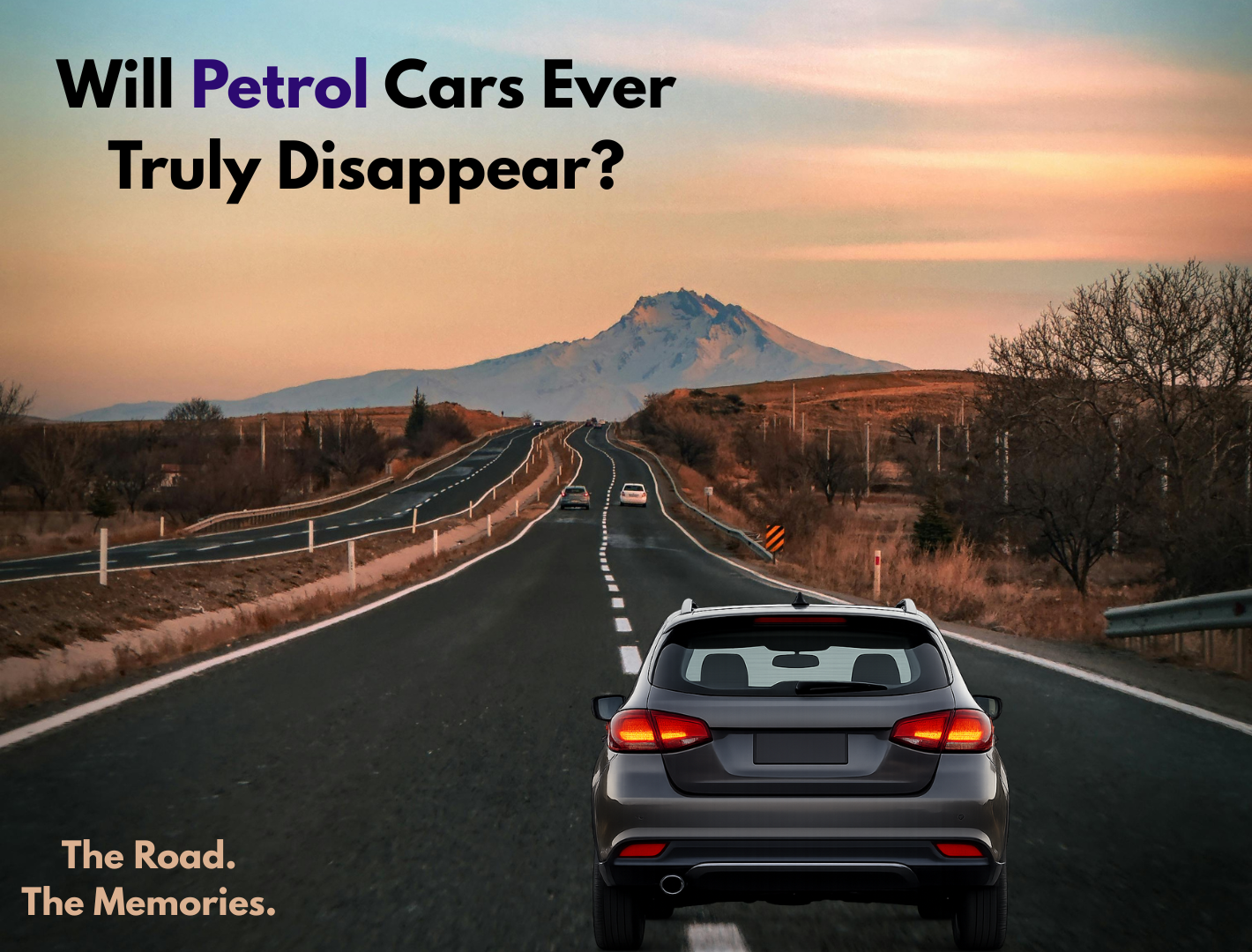
The Rise of Electric Vehicles
Do you know that global electric car sales crossed nearly 17 million units in 2024. This number would have sounded impossible just a few years ago. Companies like Tesla and traditional brands such as Toyota and Hyundai are investing billions into electric mobility.
Why? Because the future is shifting toward sustainability.
Governments across Europe and parts of Asia are planning to reduce or even ban new internal combustion engine sales in coming decades. Countries are promoting cleaner mobility to reduce pollution and dependence on fossil fuels. In cities suffering from heavy traffic pollution, electric cars are being seen as a necessary solution rather than just an innovation.
And honestly, when you see silent electric cars smoothly moving through busy streets, it does feel like the future has already arrived.
But here is the reality many people ignore — the world cannot switch overnight.
Why Petrol Cars Still Matter
For many families, especially in countries like India, these cars remain practical, affordable, and reliable. Charging infrastructure is still developing. Long-distance travel in electric vehicles can sometimes feel uncertain. What happens if charging stations are unavailable? What if battery replacement becomes expensive?
These are real concerns.
A petrol car still offers convenience that many buyers trust blindly. You can refill fuel in minutes and continue your journey without waiting hours for charging. In smaller towns and highways, fuel stations are everywhere, while EV charging points are still limited.
And then there is emotion.
Car enthusiasts often describe driving a this car as an experience rather than transportation. The roar of an engine, gear shifts, and acceleration create a feeling electric motors struggle to replicate emotionally. For someone who grew up admiring classic cars, saying goodbye to petrol engines feels almost personal.
The Financial Reality
One major reason why petrol cars may survive longer than expected is affordability.
Electric vehicles are becoming cheaper, but many are still expensive upfront compared to traditional cars. Batteries remain costly, and for middle-class buyers, budget matters more than trends.
Battery prices are declining every year, but complete cost parity between EVs and petrol vehicles is still a work in progress in many markets.
In developing countries, consumers often prioritize reliability and lower purchase costs over environmental benefits. A family buying their first car may choose a trusted petrol hatchback over an expensive electric alternative.
And can we really blame them?
Environmental Pressure Is Growing
Still, the pressure against petrol vehicles is becoming stronger every year.
Climate change conversations are no longer limited to scientists. People now experience extreme heatwaves, floods, and pollution directly in daily life. The automotive industry contributes significantly to carbon emissions, and governments are under pressure to act.
Organizations like the United Nations Climate Change continue pushing countries toward cleaner transportation solutions.
Many cities are introducing low-emission zones. Some countries have already announced future deadlines to stop selling new fuel-powered vehicles. Even luxury brands are rapidly transitioning toward electrification because they understand where consumer demand is heading.
The message is becoming clear: the future may not completely eliminate petrol, but it will definitely reduce its dominance.
Will Petrol Cars Become Rare?
Here is the most realistic answer — petrol cars are unlikely to disappear completely anytime soon, but they may slowly become less common.
Think about it like this.
Did cameras disappear after smartphones arrived? No. Did watches vanish after mobile phones started showing time? Again, no. They evolved into emotional and premium products.
The same may happen with petrol cars.
In the future, electric vehicles could dominate daily commuting, while petrol cars become niche products for enthusiasts, collectors, performance lovers, and people living in areas where EV infrastructure is weak.
Sports cars, luxury vehicles, and classic automobile culture may keep the spirit of petrol alive for decades.
The Emotional Side Nobody Talks About
You know that feeling when families go on road trips with music playing softly in the background? Or when someone buys their first car after years of hard work? For many people, these memories are attached to a petrol engine.
Technology changes quickly, but human emotions do not.
There are fathers teaching their children how to drive in manual petrol cars. There are young enthusiasts saving money to buy their dream sports sedan. There are people who simply love the sound and character of traditional engines.
This emotional connection is powerful.
And perhaps that is why the transition away from petrol will not just be technological — it will also be emotional.
Final Thoughts
So, will petrol cars disappear?
Probably not completely. But their role in our lives is definitely changing.
Electric vehicles are growing rapidly, governments are pushing sustainability, and younger generations are becoming more environmentally conscious. Yet at the same time, petrol cars still offer practicality, familiarity, and emotional value that millions of people continue to cherish.
The future of mobility may not be a battle between electric and petrol cars. Instead, it may become a balance between innovation and emotion.
And maybe, years from now, when silent electric cars dominate the roads, the sound of a petrol engine will feel less ordinary and more nostalgic — like hearing an old song that instantly brings back memories.