
Can Hydrogen Become the Next Big Revolution in Mobility?
A few years ago, electric vehicles felt like a futuristic idea. Today, they are everywhere — on highways, in advertisements, and even parked outside our homes. But while the world focuses heavily on EVs, another technology is quietly developing in the background and attracting global attention: hydrogen cars.
Do you know that some of the world’s biggest automobile companies still believe hydrogen could play a major role in the future of transportation? Brands like Toyota, Honda & Hyundai continue investing in fuel-cell technology despite the rapid rise of electric vehicles.
This raises an exciting question — could hydrogen cars eventually transform the automotive industry?
Or will they remain an ambitious dream that never fully becomes reality?
What Are Hydrogen Cars?
Unlike traditional fuel-powered vehicles, these cars generate electricity through a chemical reaction between H2 and O2 inside a fuel cell. Instead of releasing harmful emissions, these vehicles mainly produce water vapor.
Sounds futuristic, right?
What makes hydrogen vehicles even more fascinating is their ability to refuel quickly. While many electric cars require significant charging time, a h2 vehicle can often refill within minutes, similar to traditional fuel cars.
That convenience is one reason why many experts believe it may become important for long-distance transportation, commercial fleets, and heavy vehicles in the future.
Why the World Is Interested
Climate change has forced industries to rethink everything. Rising pollution, extreme weather conditions, and growing environmental concerns are pushing governments toward cleaner mobility solutions.
Countries are increasingly exploring hydrogen-based energy systems as part of long-term sustainability goals. Many governments are funding research projects and building pilot infrastructure to support future adoption.
And honestly, the idea sounds powerful.
Imagine driving a car that produces almost zero harmful emissions while still offering fast refueling and long driving range. For many people, that feels like the perfect balance between traditional convenience and modern sustainability.
The Biggest Advantage
One major strength of hydrogen vehicles is range.
Many electric vehicle owners still worry about battery charging during long journeys. This concern, often called “range anxiety,” remains one of the biggest challenges for EV adoption in several countries.
But hydrogen cars may solve that problem.
Some fuel-cell vehicles can travel long distances on a single tank while refueling in just a few minutes. This could make hydrogen especially useful for trucks, buses, taxis, and highway travel where downtime matters.
Do you know that companies worldwide are already testing hydrogen-powered commercial trucks and public transportation systems? The transportation industry understands that batteries may not always be the ideal solution for every situation.
The Challenges Nobody Can Ignore
Despite all the excitement, hydrogen cars still face serious challenges.
The biggest issue is infrastructure.
Right now, hydrogen refueling stations are extremely limited in most parts of the world. Without proper infrastructure, even the best technology struggles to survive. Consumers naturally hesitate to buy vehicles when refueling options are difficult to find.
Then comes cost.
Producing clean hydrogen remains expensive compared to traditional fuel and even electricity in many cases. Fuel-cell systems themselves are also costly, making these cars less affordable for average buyers.
And there is another challenge many people do not realize — storing and transporting h2 safely requires advanced technology because it is highly flammable.
These are not small obstacles.
Hydrogen vs Electric Cars
The debate between battery-electric vehicles and hydrogen fuel-cell cars continues to grow every year.
Electric cars currently dominate the market because charging infrastructure is expanding rapidly and governments are heavily supporting EV adoption. Companies like Tesla have already changed consumer perception toward electric mobility.
However, some experts believe that this may complement electric vehicles rather than compete directly with them.
Think about it this way.
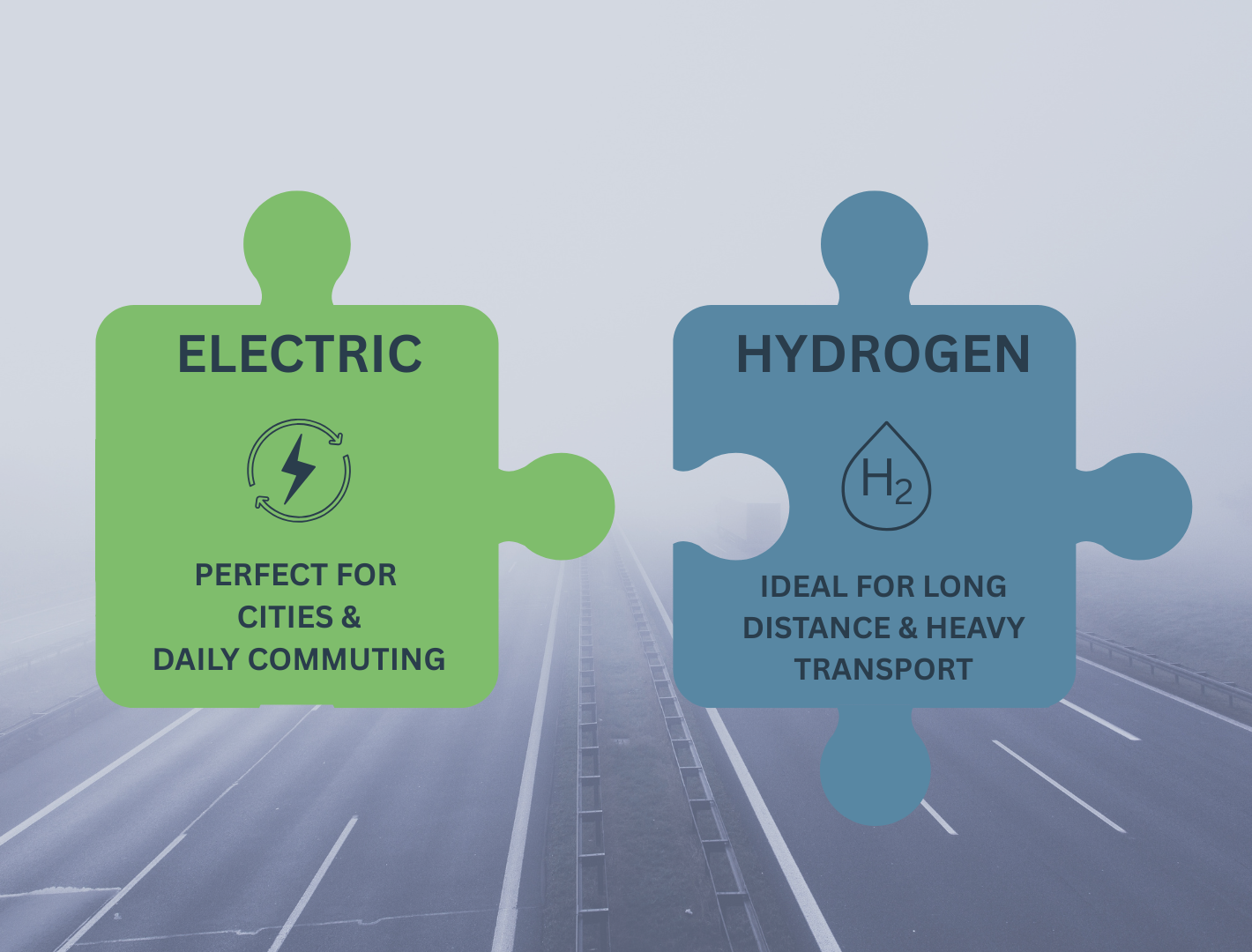
Battery-powered cars may become ideal for city driving and personal commuting, while hydrogen could be more suitable for heavy transportation, industrial use, aviation, shipping, and long-distance logistics.
Instead of one technology replacing another completely, the future may involve multiple clean-energy solutions working together.
The Emotional Side of Innovation
Every major automotive transformation creates uncertainty.
When people first heard about electric cars, many doubted them. Today, they are becoming normal. The same emotional resistance may currently exist around this technology.
For decades, drivers have trusted fuel stations, engine sounds, and traditional automotive systems. Switching to an entirely different technology feels unfamiliar to many consumers.
But history shows that innovation often begins slowly before suddenly becoming mainstream.
There was a time when touchscreen smartphones seemed unnecessary. Today, most people cannot imagine life without them. Could the same happen with hydrogen cars one day?
Possibly.
Will these Cars Become Common?
The future of h2 cars depends on three major factors: infrastructure, affordability, and government support.
If countries invest heavily in hydrogen refueling networks and clean fuel production, adoption could increase dramatically over the next decade. Industries like trucking and public transport may become early adopters because they benefit most from quick refueling and long range.
According to the Hydrogen Council global investments in hydrogen technologies continue to rise every year as companies search for cleaner energy alternatives.
Still, experts agree that widespread adoption will take time.
Final Thoughts
So, what is the future of hydrogen cars?
The answer is both exciting and uncertain.
Hydrogen technology offers incredible potential — fast refueling, long driving range, and cleaner emissions. At the same time, challenges like infrastructure costs and limited availability cannot be ignored.
But one thing is clear: the automotive world is evolving rapidly.
The future may not belong to a single technology alone. Instead, it could become a combination of electric vehicles, fuel cells, hybrid systems, and innovations we have not even imagined yet.
And perhaps years from now, when people look back at this era of transformation, they will remember it as the moment transportation stopped relying only on fuel and started searching for something cleaner, smarter, and more sustainable. For more blogs…