
How Affordability Is Changing Car Buying Trends?
The automobile industry is evolving rapidly, and one of the biggest driving forces behind this change is affordability and shifting consumer behaviour. Today’s buyers are no longer making decisions the same way they did a decade ago. Rising costs, new technologies, and changing lifestyles are influencing how people choose, buy, and use cars.
We’ll explore how affordability and consumer behaviour are reshaping the automobile market and what it means for businesses and buyers.
The Growing Importance of Affordability
Affordability has always been an important factor in car buying, but today it has become a top priority.
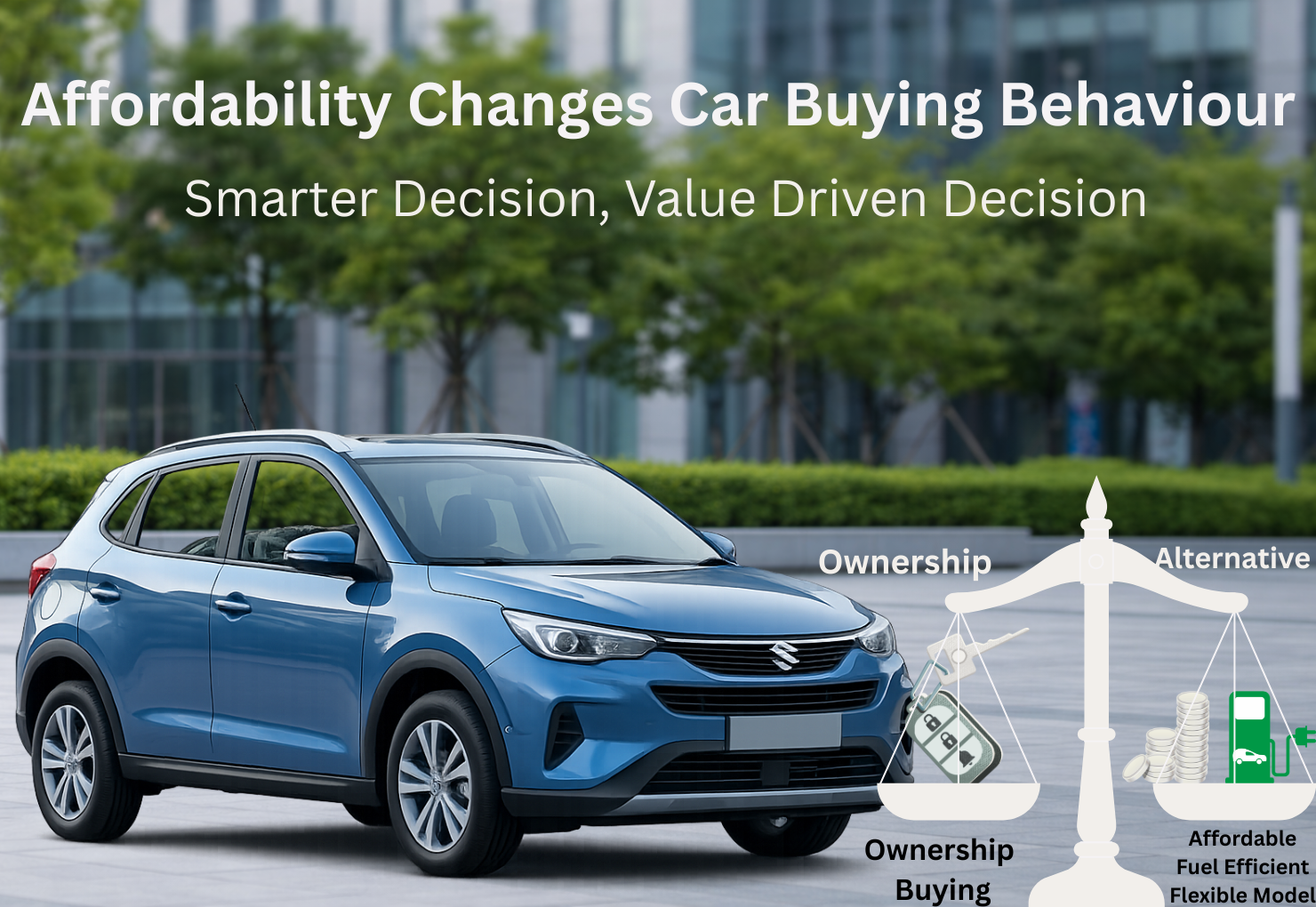
With rising fuel prices, maintenance costs, and overall inflation, consumers are becoming more cautious about spending. Instead of focusing only on brand or style, buyers now look at total cost of ownership, fuel efficiency , maintenance expenses, resale value
For many people, owning a car is no longer just about status—it’s about value for money.
Shift in Consumer Priorities
Consumer behaviour in the automobile industry is changing significantly. Modern buyers are more informed, practical, and value driven. Key changes include:
- From Luxury to Practicality
Earlier, many buyers preferred premium or luxury cars for status. Now, there is a shift toward budget-friendly and practical vehicles that meet daily needs.
- Focus on Mileage and Efficiency
Fuel efficiency has become a major decision factor. Cars that offer better mileage are more attractive, especially in markets where fuel prices are high.
- Demand for Low Maintenance
Consumers prefer vehicles that are easy and affordable to maintain over time.
Rise of Budget-Friendly and Entry-Level Cars
Automakers are responding to this trend by launching more affordable models.
These cars focus on:
- Essential features
- Good fuel efficiency
- Competitive pricing
This segment is growing fast because it appeals to:
- First-time buyers
- Middle-income families
- Young professionals
Affordable cars are no longer seen as basic—they are now considered smart choices.
Impact of Technology on Affordability
Technology is playing a dual role in the automobile industry. On one hand, Advanced features like automation, connectivity, and safety systems can increase the cost of vehicles. On the other hand, Technology also helps reduce costs by improving manufacturing efficiency, reducing human labour through automation, optimizing supply chains. As a result, companies are trying to balance innovation and affordability.
Changing Buying Behaviour: Online First Approach
Today’s consumers are more digital than ever. The car-buying journey now often starts online.
Buyers:
- Research models online
- Compare prices and features
- Read reviews and ratings
- Watch video demonstrations
Many companies even offer online booking and home delivery options.
This shift means that brands must focus on:
- Strong online presence
- Transparent pricing
- Digital customer experience
Smarter and More Informed Consumers
Modern consumers have access to a huge amount of information. This has made them:
- More aware of pricing
- More conscious of hidden costs
- More selective in decision-making
They are less influenced by traditional advertising and more by:
- Reviews
- Recommendations
- Real user experiences
This has forced companies to become more transparent and customer focused.
Preference for Cost-Effective Alternatives
Consumers are also exploring alternative fuel options to reduce long-term costs.
Popular choices include:
- Electric vehicles (EVs)
- Hybrid cars
- CNG vehicles
These options may have higher upfront costs but offer:
- Lower running costs
- Better fuel efficiency
- Environmental benefits
This shows that affordability is not just about purchase price—it’s about long-term savings.
Shift from Ownership to Usage
Another major change in consumer behaviour is the shift from ownership to access.
Instead of buying cars, many people now prefer:
- Car leasing
- Subscription models
- Ride-sharing services
This trend is especially popular in urban areas where:
- Parking is limited
- Traffic is heavy
- Public transport is available
Consumers now value flexibility and convenience over ownership.
Role of Financing and EMI Options
Flexible financing options have made cars more accessible.
Buyers can now:
- Pay in easy monthly instalments (EMIs)
- Choose low down-payment plans
- Get customized loan options
This has increased affordability and allowed more people to enter the car market.
However, consumers are also becoming cautious about:
- Interest rates
- Loan tenure
- Overall financial burden
How Automakers Are Adapting
Automobile companies are changing their strategies to match new consumer behaviour. The key approaches include:
- Launching affordable models
- Offering flexible pricing plans
- Providing subscription services
- Enhancing digital buying experience
- Focusing on fuel efficiency and sustainability
Brands that understand these changing needs are more likely to succeed.
Challenges in Balancing Affordability
While affordability is important, it comes with challenges:
- Rising Production Costs
Raw materials and technology costs are increasing.
- Regulatory Requirements
Stricter safety and emission norms can raise vehicle prices.
- Competition
Companies must keep prices low while maintaining quality.
Balancing cost, quality, and innovation is a major challenge for automakers.
The Future of Affordable Mobility
The future of the automobile industry will be shaped by affordable and smart mobility solutions.
We can expect:
- More budget-friendly EVs
- Increased use of automation to reduce costs
- Growth in shared mobility services
- Better financing options
- Consumers will continue to demand: Value for money, Convenience, Sustainability
In the end, the message is clear: The future of automobiles is not just about advanced technology—it’s about making that technology affordable and accessible for everyone. For more blogs…