
If you walk through the streets of Gurugram or Delhi today, you’ll notice a subtle but important change. The loud sound of engines that once filled the roads is slowly being replaced by a quiet, smooth hum. That gentle sound belongs to electric vehicles, and it signals a major transformation in India’s automotive industry.
Electric vehicles (EVs) are no longer limited to technology enthusiasts or luxury buyers. They are becoming a practical and realistic choice for everyday commuters. As we move through 2026, India is clearly stepping into a new era of mobility—one that focuses on sustainability, innovation, and efficiency. While this shift brings exciting opportunities, it also comes with challenges that the industry must carefully navigate.
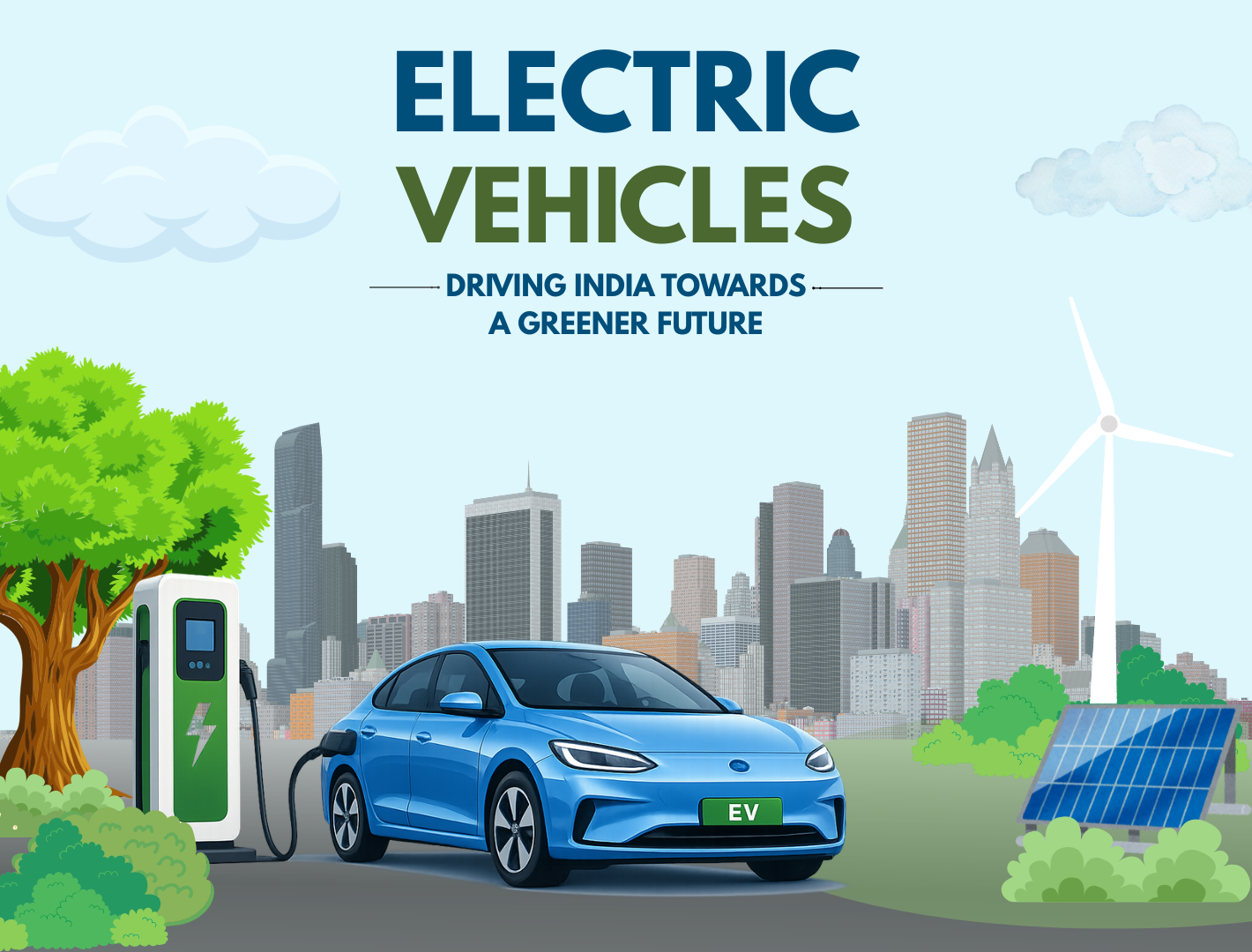
Why Electric Vehicles Are Growing So Fast
The growth of the EV sector in India has been remarkable over the last few years. What once seemed like a distant future is now becoming part of daily life. This rapid growth is mainly driven by three factors: strong government support, increasing environmental awareness, and improvements in technology.
For many people, the biggest attraction of electric vehicles is their low running cost. With petrol and diesel prices constantly fluctuating, EVs offer a more stable and affordable alternative in the long run. Charging a vehicle is generally cheaper than refuelling, and maintenance costs are also lower because EVs have fewer moving parts.
At the same time, manufacturers are expanding their offerings. Electric scooters, compact cars, SUVs, and even premium electric vehicles are now available in the Indian market. This growing variety is helping the automobile industry move toward cleaner and more modern transportation while also positioning India as a potential global player in green mobility.
Powering the Move: The Network Supporting Electric Vehicles
One of the biggest concerns people used to have about EVs was charging. Many potential buyers worried about running out of battery on the road, a problem often called “range anxiety.” Today, that fear is gradually fading.
India’s charging network has expanded significantly in recent years. With thousands of public charging stations now installed across the country, EV users are finding it easier to travel without worrying about battery levels. States like Karnataka, Maharashtra, Uttar Pradesh, and Delhi are leading the development of charging infrastructure.
Government initiatives have played a major role in this progress. Programs such as FAME II and PM E-DRIVE have provided financial support to build charging stations and encourage EV adoption. The focus on fast-charging stations means drivers can recharge their vehicles quickly and continue their journey without long waiting times.
This growing infrastructure is building confidence among consumers and making EVs a more reliable option for daily use.
Challenges Still Exist
Even though the EV industry is growing rapidly, the journey is not completely smooth.
The biggest challenge is the high initial cost of electric vehicles. While running costs are low, the purchase price is still higher than petrol or diesel vehicles. The battery, which is the most expensive component, is the main reason for this. Although battery prices are gradually decreasing, affordability remains a concern for many middle-class buyers.
Another issue is the supply of raw materials. India still depends on other countries for materials like lithium and cobalt, which are essential for battery production. To reduce this dependence, the country needs to develop local manufacturing facilities and battery production units.
There is also the question of electricity supply. As more EVs come on the road, the demand for electricity will increase. It becomes important to ensure that the power used for charging comes from renewable sources such as solar and wind energy. Only then can EVs truly deliver their promise of being environmentally friendly.
The Road Ahead
The shift toward electric vehicles is one of the most significant changes in India’s automotive history. It represents a move toward cleaner cities, lower fuel dependence, and smarter transportation systems.
With continued government support, improving technology, and growing consumer awareness, the future of EVs in India looks promising. Businesses and service providers are also adapting to this change by developing new solutions to support electric mobility.
The electric revolution may be quiet, but its impact is powerful. It is reshaping how we travel, how industries operate, and how India moves toward a more sustainable future.